
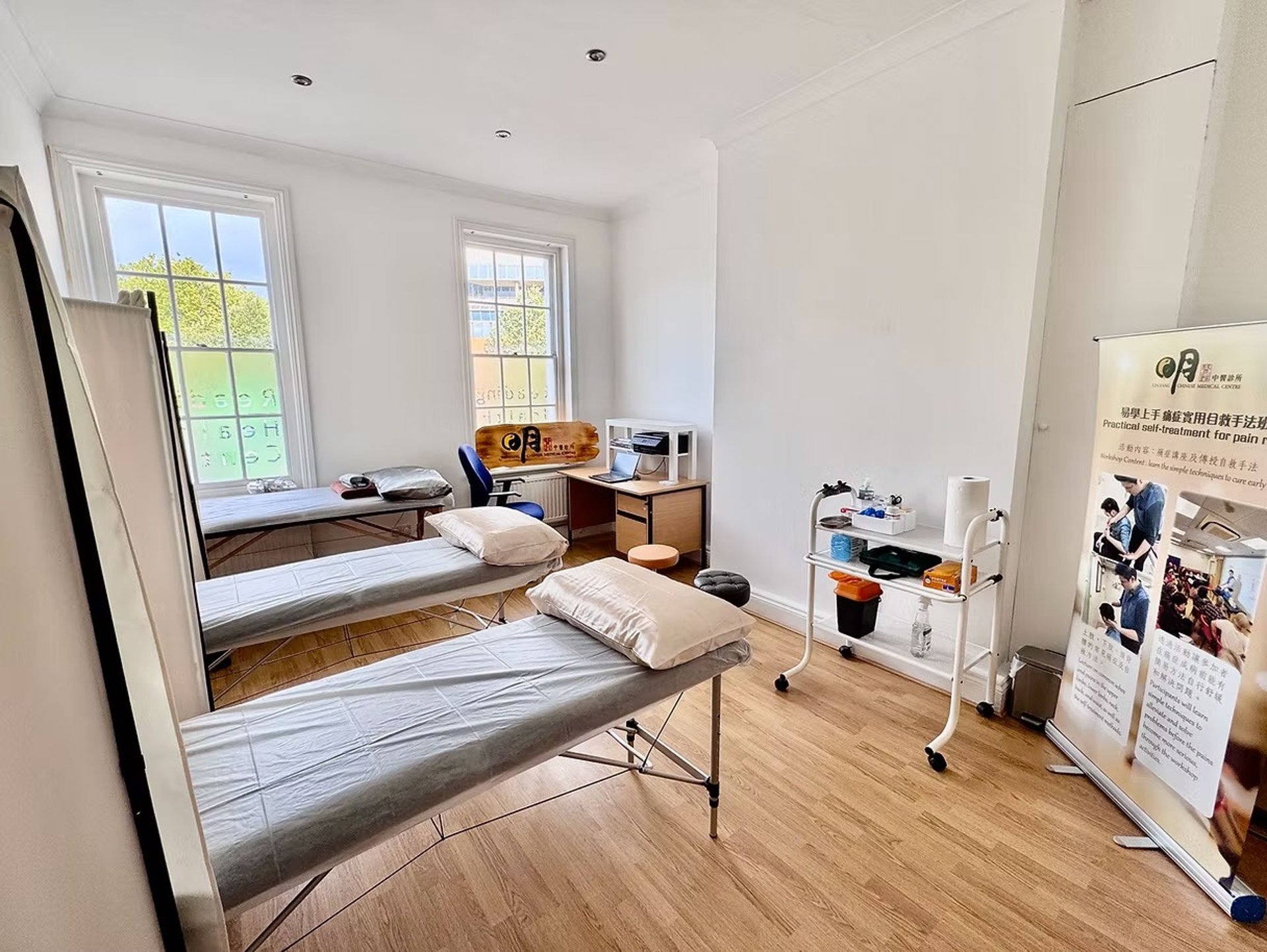
TCM Clinical Services in Wimbledon & Reading
for Pain Relief
Back Pain • Sciatica • Neck Pain
Women's Health • Sleep Disorders
★★★★★ 4.9 Google Reviews
Dr. Winton — Lead Practitioner
Hospital-Trained · Master's in TCM · HK Registered
⚡ Limited appointments available this week
Conditions We Treat
✓ Hospital-Trained
✓ Master Degree in TCM
✓ HK Registered CMPs
✓ English & Cantonese
Silo 1 — Clinical Services Pillar Page
Expert TCM Therapies. Hong Kong Standards, Right Here in the UK.
Our Hong Kong–registered practitioners bring master's-level clinical expertise to Wimbledon and Reading — delivering the same quality of care you trusted back home.
Wimbledon, SW19
Mon – Sat · 9am – 7pm
Reading, Castle St
Mon – Sat · 9am – 7pm
Hong Kong Clinical Heritage
MSc-Qualified Practitioners
Cantonese-Speaking Team
Acupuncture · Tui Na · Bone Setting · Herbal
New Patients Welcome
Why patients trust us
Our Clinical Approach
Yin-Yang Chinese Medicine was built on a distinct clinical standard—one deeply rooted in Hong Kong’s exceptionally rigorous system of clinical registration and intensive, hospital-based medical training. Our practitioners brought these regulated credentials and clinical habits with them to the UK, ensuring that our medical settings maintain a high-volume, high-accountability environment.
01
Regulated Standards, UK-Based Clinics
Every member of our clinical team is a registered Chinese Medicine Practitioner holding a Master of TCM degree backed by verified hospital clinical hours. This is a strictly regulated licence issued by the Chinese Medicine Council of Hong Kong, requiring ongoing professional development. We chose to build our UK clinics around this standard because our patients—whether long-term local residents or families recently relocated from Hong Kong—deserve care delivered at this elite clinical level.
02
Bridging Traditional Wisdom with Modern Anatomy
Classical TCM theory provides a comprehensive diagnostic framework, while modern musculoskeletal anatomy provides targeted clinical precision. Our practitioners integrate both methodologies seamlessly. When you present with complex conditions like lumbar disc compression, your treatment plan maps traditional holistic balance alongside relevant anatomical structures, such as the L4-L5 intervertebral disc and the sciatic nerve pathway. This ensures optimal long-term outcomes for pain management.
03
Seamless Bilingual Consultations
Describing chronic pain, deep fatigue, or complex internal health issues in a second language can be incredibly challenging, and any loss in precision directly compromises diagnostic accuracy. To ensure a flawless patient experience, our clinics offer fully uncompromised consultations in both English and Cantonese. You can describe your symptoms exactly as you feel them, knowing your practitioner understands both the intricate clinical details and the cultural context of your well-being, eliminating any translation loss.
04
Dual-Clinic Continuity of Care
Yin-Yang operates two fully integrated clinics in Wimbledon (SW19) and Reading (Castle Street). Operating under the exact same practitioner rotation, matching herbal formularies, and synchronized diagnostic protocols, patients requiring multi-session treatments can seamlessly transition between locations without any drop in clinical continuity. This professional synergy ensures you experience the same premium standard of care that you would expect from a top-tier medical foundation.
Built on Hong Kong's rigorous clinical standards — brought to Wimbledon & Reading.
01 · Regulated Standards, UK-Based Clinics
Every practitioner holds a Master's in TCM with verified hospital hours — a strictly regulated licence from the Chinese Medicine Council of Hong Kong.
02 · Traditional Wisdom + Modern Anatomy
We combine classical TCM diagnostics with modern musculoskeletal anatomy — for complex conditions like lumbar disc compression and sciatica.
03 · Seamless Bilingual Consultations
Describe your symptoms exactly as you feel them. We consult in English & Cantonese — no translation loss, full clinical precision.
04 · Dual-Clinic Continuity of Care
Same practitioners, protocols and herbal formularies across Wimbledon SW19 and Reading Castle Street.
4.9★
Google Reviews
UK Reg.
Certified practitioners
2
UK clinic locations
Bilingual
EN & Cantonese
Our Four Clinical Specialisms
Each therapy is delivered by a practitioner with dedicated training in that modality — not a generalist offering everything. Your treatment is targeted, protocol-driven, and adapted at each session based on your clinical response.
Core Therapies
Acupuncture Treatment
Acupuncture works by stimulating specific anatomical points — located along musculoskeletal, neurological, and vascular pathways — to regulate pain signalling, reduce local inflammation, and support systemic homeostasis. At Yin-Yang, every acupuncture session begins with a reassessment of your presenting symptoms. Point selection is not fixed between sessions; it responds to your current clinical picture.
We treat a broad range of conditions with acupuncture, including chronic and acute musculoskeletal pain, tension headaches and migraines, insomnia and anxiety, menstrual irregularity, and post-operative recovery support. All needles are single-use sterile. Needle retention time is typically 20–30 minutes, depending on the condition being addressed.
Tui Na Therapeutic Massage
Tui Na is a structured manual therapy system — not a relaxation massage. It uses precise manipulation techniques including kneading, rolling, pressing, and joint mobilisation to address soft tissue dysfunction, restricted joint range of motion, and meridian blockage. The clinical application is closer to physiotherapy than to sports massage, and it is frequently combined with acupuncture in our pain management protocols.
Common presentations we treat with Tui Na include cervical spondylosis, frozen shoulder, sacroiliac joint dysfunction, and post-injury tissue adhesion. For patients who prefer a non-needle approach, Tui Na can serve as the primary treatment modality. Sessions typically last 40–60 minutes. Our practitioners apply Tui Na using the specific technique sequences taught in the Hong Kong clinical curriculum — not a generalised massage approach.
Bone Setting & Orthopaedic Care
Zheng Gu (正骨), or Chinese bone setting, is a classical orthopaedic system that predates both Western chiropractic and osteopathy. It involves the manual realignment of joints, vertebrae, and surrounding soft tissue using a combination of traction, rotation, and percussion techniques. Applied correctly, it produces immediate improvement in joint mobility and a measurable reduction in referred pain from spinal compression.
At Yin-Yang, bone setting is applied within a modern biomechanical assessment framework. Before any manipulation, your practitioner reviews your spinal history, assesses your range of motion, and identifies any contraindications. We treat disc herniation, postural kyphosis and lordosis, cervical nerve impingement, and acute sports-related joint injuries. This service is particularly sought after by patients who have not found sufficient relief through physiotherapy or chiropractic alone.
Herbal Medicine & Internal Consultation
Chinese herbal medicine prescribing at Yin-Yang begins with a full internal consultation — pulse diagnosis, tongue observation, and a detailed case history. No formula is prescribed without this assessment. Formulae are drawn from the classical canon and adjusted based on your constitution, your current condition, and any concurrent Western medication you are taking. We do not use pre-packaged supplements. Every prescription is tailored to you.
Our herbal practice covers internal medicine conditions including digestive disorders, fatigue syndromes, hormonal imbalance, skin conditions (eczema, psoriasis, acne), and anxiety with sleep disruption. All herbal materials are sourced from GMP-certified suppliers and comply with UK regulatory standards. Follow-up consultations are scheduled every two to four weeks to review your response and adjust the formula accordingly.
The four services below form the clinical core of Yin-Yang's practice. They can be delivered individually or — where clinically appropriate — as a combined protocol. For example, a patient presenting with chronic lower back pain and associated insomnia may receive acupuncture for neurological regulation alongside a herbal formula for Kidney Yin deficiency. Every combination is determined by your practitioner's assessment, not by a fixed package.
Works by stimulating specific anatomical points to regulate pain signalling and support systemic homeostasis. Ideal for chronic tension, acute musculoskeletal pain, and migraines.
A structured, medical manipulation system targeting soft tissue dysfunction and joint restriction. Effectively releases deep-seated tension in the cervical and lumbar regions.
Combines traditional Zheng Gu (正骨) manual realignment with modern biomechanical assessments. Focuses on improving joint mobility and reducing referred pain from spinal compression.
Tailored GMP-certified herbal formulas based on traditional pulse and tongue diagnosis. Addresses internal balance, including digestive disorders, chronic fatigue, and anxiety.
CORE THERAPIES
Each therapy is protocol-driven and adapted to your clinical response — not a one-size-fits-all approach.


Acupuncture Treatment
Stimulates specific anatomical points to regulate pain signalling and support systemic homeostasis. Ideal for chronic tension, musculoskeletal pain, and migraines.
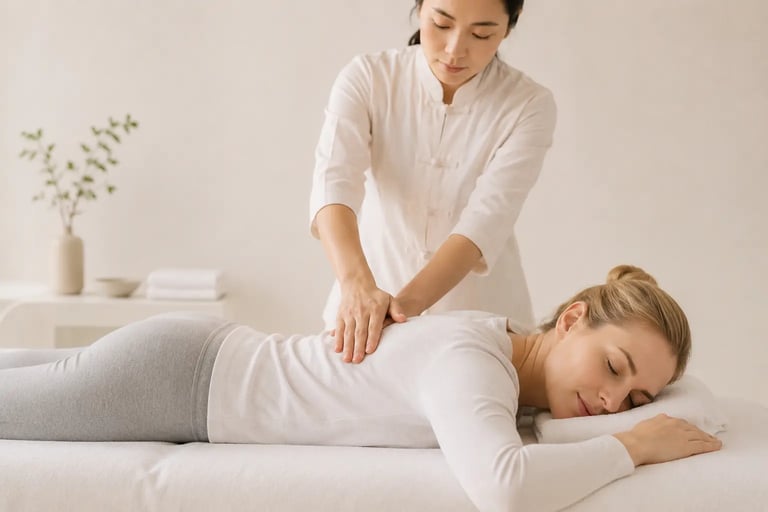
Tui Na Therapeutic Massage
Medical manipulation targeting soft tissue dysfunction and joint restriction. Releases deep-seated tension in the cervical and lumbar regions.
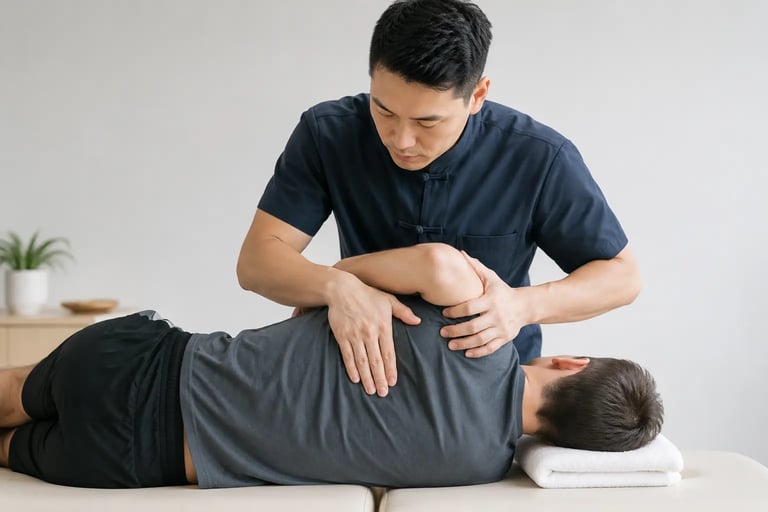
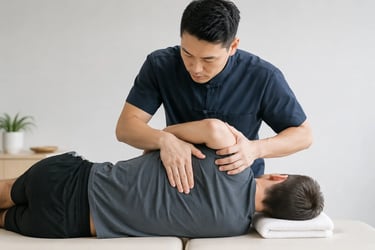
Bone Setting & Orthopaedic Care
Traditional Zheng Gu (正骨) manual realignment combined with modern biomechanical assessment. Improves joint mobility and reduces referred pain from spinal compression.
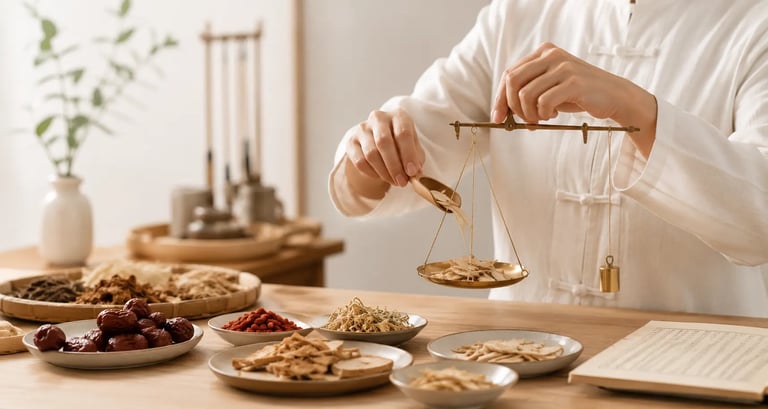

Herbal Medicine & Internal Consultation
GMP-certified herbal formulas based on traditional pulse and tongue diagnosis. Addresses digestive disorders, chronic fatigue, and anxiety.
Treatments can be combined. Your practitioner decides the optimal protocol at assessment — not a fixed package.
Our clinical focus is deliberately narrow. We do not attempt to treat every condition. Instead, we specialize in high-impact areas where our integrated combination of acupuncture, manual therapy, and herbal medicine produces consistent, verifiable outcomes.
Conditions We Treat
Where our clinical expertise makes the most difference
Chronic Pain & Spinal Problems
Lumbar disc herniation, sciatica, cervical spondylosis, and sacroiliac joint dysfunction are the most common presentations at both our Wimbledon and Reading clinics. Our combined acupuncture and bone-setting protocol addresses the neurological pain component, the structural misalignment, and the associated muscle tension simultaneously—significantly reducing the number of sessions needed to achieve meaningful relief compared with single-modality treatment.
Women's Health & Hormonal Balance
Our women's health practice covers postnatal recovery, menstrual irregularity (including PCOS and endometriosis-related pain), fertility support alongside IVF cycles, perimenopause symptom management, and postpartum body recomposition. Treatment integrates medical acupuncture for hormonal regulation with individually prescribed herbal formulae—targeting the root systemic pattern, not just the presenting symptom.
Sports Injuries & Recovery
Ligament sprains, tendinopathy, muscle tears, and repetitive strain injuries (RSI) respond exceptionally well to our combined Tui Na and acupuncture rehabilitation protocol. We work with recreational and competitive athletes across running, football, tennis, and gym-based sports. Our practitioners design session-by-session rehabilitation programmes and, where appropriate, communicate directly with your physiotherapist or sports medicine doctor to coordinate care.
This strategic focus allows our practitioners to develop genuine clinical depth in each area—rather than applying a generalised TCM approach to every presenting complaint. These three pillars represent the core conditions our team treats most effectively.
We specialise in high-impact areas where acupuncture, manual therapy, and herbal medicine produce consistent, verifiable outcomes.
Chronic Pain & Spinal Problems
Precise protocols combining acupuncture and manual therapy to target neural pain and structural alignment simultaneously.
Sports Injuries & Recovery
Progressive, session-by-session recovery programmes for runners, gym-goers, and local athletes.
Women's Health & Hormonal Balance
Acupuncture with bespoke herbal formulae to treat the root systemic pattern — not just symptoms.
Our Clinics
Two Clinics. One Standard of Care.
Both Yin-Yang locations operate under the exact same clinical team rotation, matching herbal formularies, and synchronized appointment protocols. Attending either clinic gives you seamless access to the full depth of our medical expertise.
Wimbledon Clinic
South West London · SW19
Address 2 Saint Mark's Place Wimbledon London. SW19 7ND
Hours Sat, 9:00 am – 5:00 pm
Languages Cantonese · Mandarin · English
NEAREST Wimbledon Station (District Line/ National Rail)
Reading Clinic
Berkshire · Castle Street
Address Reading Health Centre 61 Castle St Reading. RG1 7SN
Hours Mon /Wed/Fri, 9:00 am – 6:00 pm
Languages Cantonese · Mandarin · English
NEAREST Reading Station (Elizabeth Line / GWR)
Wimbledon Clinic serves patients across South West London—including Wimbledon, Raynes Park, Merton, Kingston, and Putney.
Reading Clinic serves Berkshire and the Thames Valley corridor—including Caversham, Woodley, Wokingham, and Bracknell.
Same clinical team, herbal formularies, and protocols across both locations — seamless care wherever you attend.
Wimbledon Clinic
South West London · SW19
Address
2 Saint Mark's Place
Wimbledon, London SW19 7ND
Hours
Saturday 9:00 am – 5:00 pm
Nearest station
Wimbledon Station
District Line · National Rail
Languages
Cantonese · Mandarin · English
Reading Clinic
Berkshire · Castle Street
Address
Reading Health Centre
61 Castle Street, Reading RG1 7SN
Hours
Mon / Wed / Fri 9:00 am – 6:00 pm
Nearest station
Reading Station
Elizabeth Line · GWR
Languages
Cantonese · Mandarin · English
What to Expect
What is a consultation like?
New patients often arrive uncertain about what TCM assessment involves. Here is exactly what happens — from the moment you book to the end of your first treatment session.
Clinical Consultation
Your journey begins with a comprehensive, 1-on-1 assessment. Our practitioners integrate traditional diagnostic techniques—including precise pulse and tongue analysis—with a thorough review of your Western medical history, lifestyle factors, and specific symptoms to identify the root systemic pattern.
Tailored Treatment
Based on your clinical assessment, we administer a personalized combination of modalities during your session. This may include medical acupuncture for neurological regulation, targeted Tui Na or bone setting for mechanical alignment, or a customized prescription of GMP-certified herbal medicine.
Protocol Review
Chronic or complex conditions rarely resolve in a single session. We systematically review your symptomatic progress at every follow-up, refining your acupuncture points or herbal formulations to match your body’s shifting recovery phase and accelerate healing.
Treatment Frequency Guide
These are indicative benchmarks based on typical clinical trajectories. Your practitioner will adjust frequency based on your response at each session — some patients progress faster, some require longer consolidation phases. We do not prescribe a fixed number of sessions in advance.
1
2
3
Long-Term Resilience
Our ultimate goal extends beyond temporary pain relief or symptom suppression. Once your acute symptoms stabilize, we transition your protocol toward preventative care, strengthening your body's long-term resilience and providing practical lifestyle guidance to prevent re-injury.
4
An in-depth, 1-on-1 assessment combining pulse and tongue diagnosis with your Western medical history to find the root cause.
A personalized combination of medical acupuncture, Tui Na massage, or bespoke herbal formulas tailored to your symptoms during your session.
Continuous evaluation at every follow-up session, systematically adapting your treatment plan as your symptoms improve.
Moving beyond temporary pain relief to focus on preventative care, building strength, and stopping re-injury.
From the moment you book to the end of your first session — here is exactly what happens.
Clinical Consultation
In-depth 1-on-1 assessment combining pulse and tongue diagnosis with your Western medical history to find the root cause.
Tailored Treatment
A personalised combination of acupuncture, Tui Na massage, or bespoke herbal formulas — tailored to your symptoms during your session.
Protocol Review
Continuous evaluation at every follow-up, systematically adapting your treatment plan as your symptoms improve.
Long-Term Resilience
Beyond temporary pain relief — preventative care, building strength, and stopping re-injury.
Recommended treatment frequency
Acute pain or injury→
2–3× per week for 2 weeks, then reassess
Chronic musculoskeletal
Weekly for 4–6 weeks, then bi-weekly
Women's health
Weekly, timed to menstrual cycle phase
Skin conditions
Weekly 6–8 weeks; herbal review every 2 weeks
Indicative benchmarks only. Your practitioner adjusts frequency based on your response — we do not prescribe a fixed number of sessions.
Questions patients ask before their first booking
Frequently Asked Questions
Is TCM safe to receive alongside Western medicine?
Yes, in the vast majority of cases. Your safety is our priority. During your initial consultation, we will thoroughly review your current medications and ongoing treatments to avoid any interactions. We will advise you to consult your GP if there is any clinical uncertainty.
What languages are consultations conducted in?
Yes — all consultations can be conducted in Cantonese, Mandarin, or English. For many of our Hong Kong patients, this is one of the primary reasons they choose Yin-Yang. Describing the quality, location, and pattern of your symptoms accurately is diagnostically critical in TCM — and that precision is much harder to achieve in a second language. If you have previous medical records or TCM case notes in Chinese, we can review these directly. You do not need to translate anything before your appointment.
Are your practitioners registered in the UK?
Yes. All of our practitioners hold full professional qualifications and are registered with recognized UK regulatory bodies, such as BAcC. This ensures we adhere to the highest standards of safety, hygiene, and professional codes of conduct in the UK. (We also hold original registrations as Certified CMPs in Hong Kong).
How many sessions will I need to see results?
This depends on your condition, but as a general clinical guide:
Acute conditions (e.g., recent sports injuries, acute pain): 3 to 5 sessions typically show measurable improvement.
Chronic conditions (e.g., long-standing back pain, hormonal imbalances, skin disorders): Usually require 6 to 10 sessions to address the internal root cause and stabilize the condition.
These are the questions our reception team and practitioners hear most often from new patients — particularly those unfamiliar with how TCM works within the UK healthcare context.
Yes, fully registered. All our practitioners hold professional degrees and are registered with recognized UK regulatory bodies BAcC. This guarantees we meet strict UK standard guidelines for safety, hygiene, and insurance.
All consultations can be fully conducted in fluent English, Cantonese, or Mandarin.
For UK locals: Clear, jargon-free explanations in English.
For HK patients: Feel free to express your symptoms in your native language; we can review HK medical notes directly.
Yes, in the vast majority of cases. Your safety is our priority. During your initial consultation, we will thoroughly review your current medications and ongoing treatments to avoid any interactions. We will advise you to consult your GP if there is any clinical uncertainty.
The questions our team hear most often from new patients — particularly those unfamiliar with TCM in the UK.
Are your practitioners registered in the UK?
Yes, fully registered. All practitioners hold professional degrees and are registered with recognised UK regulatory bodies including BAcC. This guarantees we meet strict UK standards for safety, hygiene, and insurance.
What languages are consultations conducted in?
Fully conducted in English, Cantonese, or Mandarin. UK patients receive clear, jargon-free explanations. HK patients can describe symptoms in their native language and share HK medical notes directly.
How many sessions will I need to see results?
Acute conditions (recent injuries): 3–5 sessions typically show measurable improvement. Chronic conditions (long-standing back pain, hormonal imbalances): usually 6–10 sessions to address the root cause.
Is TCM safe alongside Western medicine?
Yes, in the vast majority of cases. During your initial consultation we thoroughly review your current medications to avoid any interactions. We will advise you to consult your GP if there is any clinical uncertainty.
Do you offer consultations in Cantonese?
Yes. All practitioners are fluent in Cantonese and Mandarin. Describe your symptoms exactly as you feel them — no translation loss, full clinical precision.
Ready to Start Your Treatment?
Same-week appointments are available at both our Wimbledon and Reading clinics. New patients are welcome. No referral is needed.
Contact
Ready to book?
+44 07301 949 686
© 2025. Yin Yang CMC All rights reserved.
Phone
Reach us anytime — we usually respond within the hour.